Best Hypoallergenic Metals for Wheelchair Pendant Necklaces
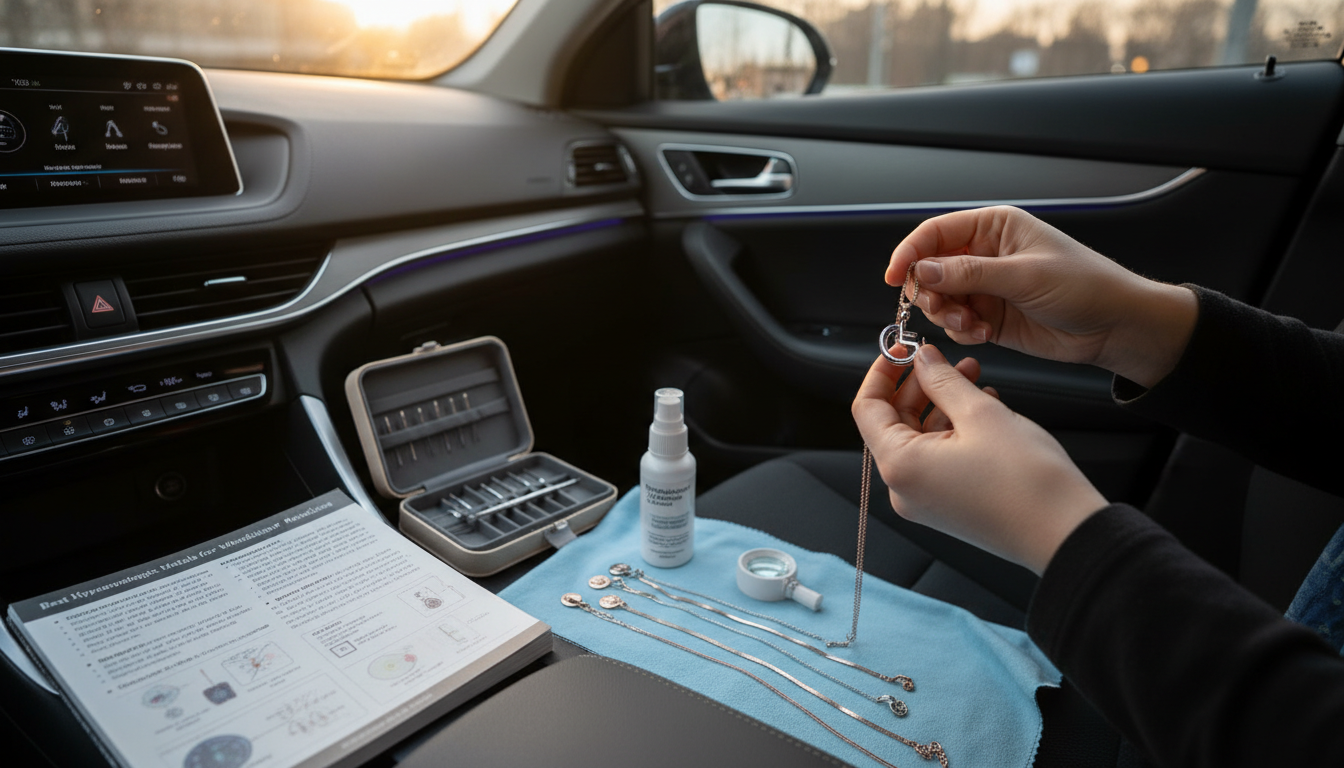
What metal types are best for a wheelchair pendant necklace if you have sensitive skin?
If your skin reacts easily to jewelry, the best metals for a wheelchair pendant necklace are those that are low-allergen, stable, and less likely to leach irritants with sweat and daily wear. Since a pendant sits against the chest and moves with your clothing, choosing a skin-friendly metal matters as much as the design.
Answer
Implant-grade titanium is one of the safest choices for sensitive skin. It’s lightweight, highly corrosion-resistant, and typically nickel-free, which helps reduce itching or redness during long wear. It’s also a great option if you prefer a pendant necklace that doesn’t feel heavy.
Platinum is another excellent pick for reactive skin. It’s naturally hypoallergenic, doesn’t tarnish, and holds up well over time. Platinum can cost more upfront, but it tends to be a “set it and forget it” metal for people who have repeated reactions to fashion jewelry.
Surgical-grade stainless steel (often labeled 316L) can work well for many people, especially if you want durability at a more accessible price. The key is verifying the grade; cheaper “stainless” jewelry may contain higher nickel content or low-quality plating that can wear away and trigger irritation.
Solid 14k or 18k gold can be comfortable for sensitive skin when it’s truly solid (not plated or gold-filled). Higher-karat gold has fewer base metals mixed in, which can mean fewer reactions. Avoid gold-plated pieces if you’re prone to irritation—once the thin layer wears down, your skin may contact the underlying alloy.
When shopping, also consider the chain: even if the pendant is hypoallergenic, a reactive chain can still cause a rash on the neck. For more details on picking skin-friendly materials and avoiding common irritants, visit the main guide here.
FAQ
How can you tell if a necklace metal contains nickel?
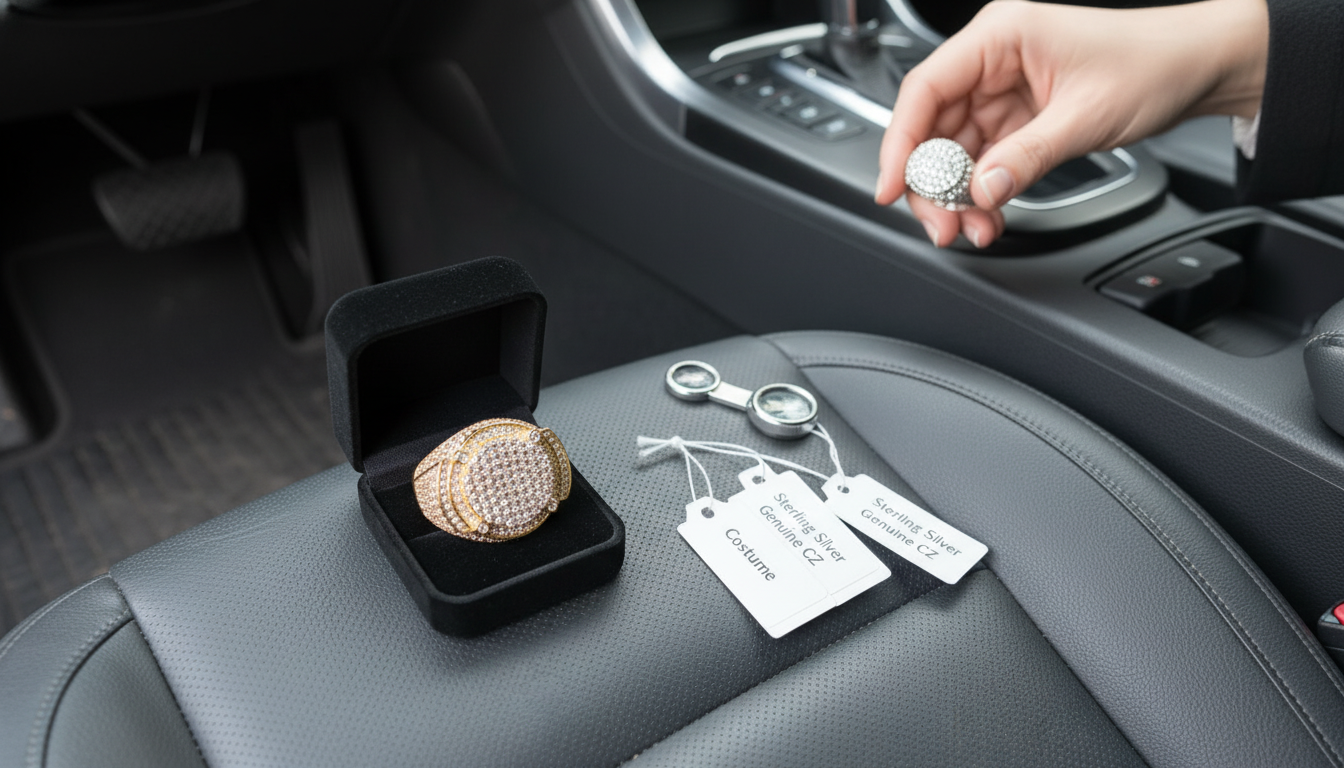
Look for material disclosures like “nickel-free” and the exact alloy (such as titanium or 316L stainless steel). If the listing is vague or only says “metal” or “alloy,” it’s safer to assume nickel may be present and choose a clearly labeled hypoallergenic option.







Leave a comment