Cabela’s Commercial Sausage Stuffer Motor Explained
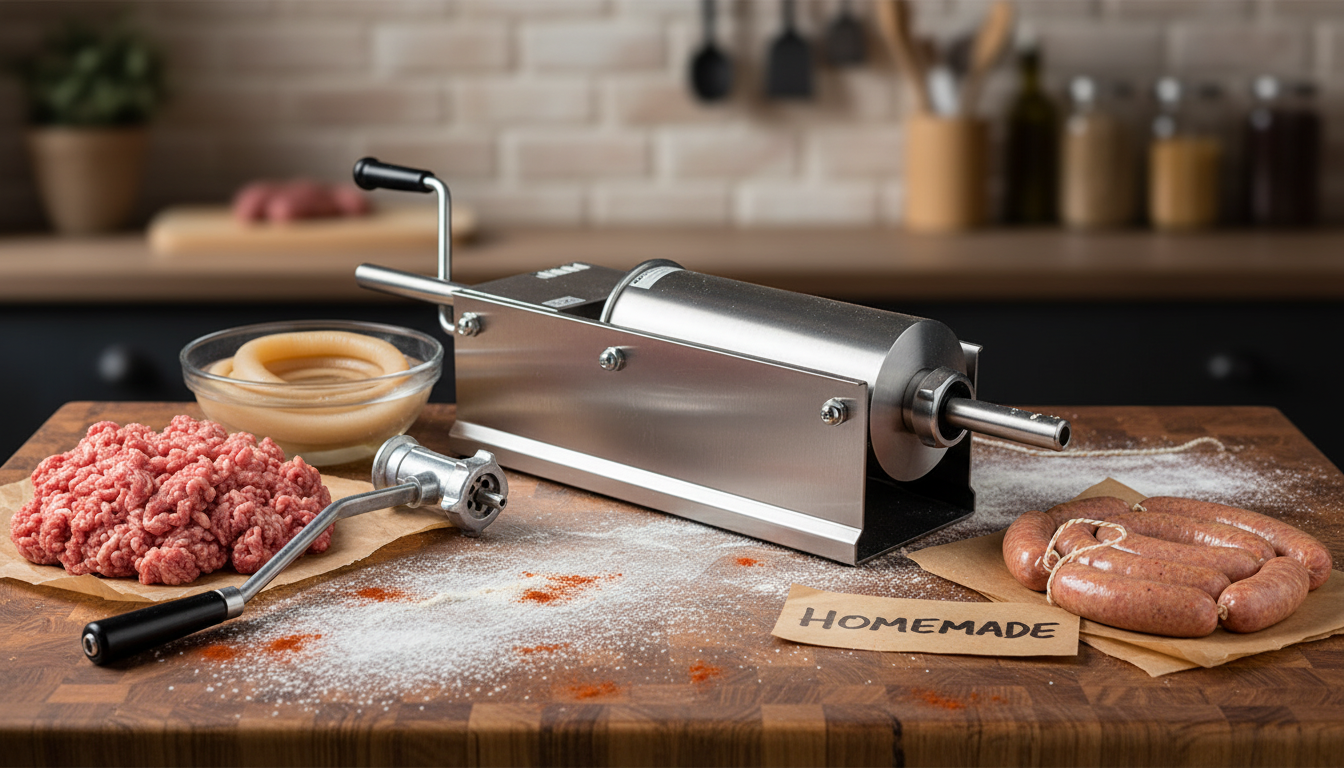
What kind of motor is in the Cabela’s commercial sausage stuffer?
Cabela’s commercial sausage stuffer uses an electric gear-driven motor designed to deliver steady, high-torque power at a slow, controlled speed. Instead of spinning an auger like a meat grinder, the motor turns a set of gears that drive the piston (plunger) down the canister. That gear reduction is the key: it trades speed for force, which helps push dense sausage mixtures smoothly through the stuffing tube without constant stalling or surging.
This style of motor-and-gearbox setup is commonly used in “commercial” or heavy-duty vertical stuffers because it provides consistent pressure and makes it easier to maintain an even fill. A steadier push reduces air pockets, helps prevent casing blowouts, and gives better portion control compared with stop-and-go cranking or underpowered drives.
How the motor affects stuffing performance
A gear-driven motor is built for load. When the meat mixture is cold, sticky, or includes chunky ingredients (like cheese or jalapeños), the stuffer needs torque more than RPM. The geared motor helps keep the plunger moving at a predictable rate so the casing fills evenly from start to finish.
Another advantage is control. Many commercial-style electric stuffers offer variable speed or multiple speed ranges, letting the operator match the feed rate to the casing size and recipe. Slower speeds can be useful for delicate natural casings; faster speeds can help when producing larger batches with collagen or fibrous casings.
Why it’s different from a grinder motor
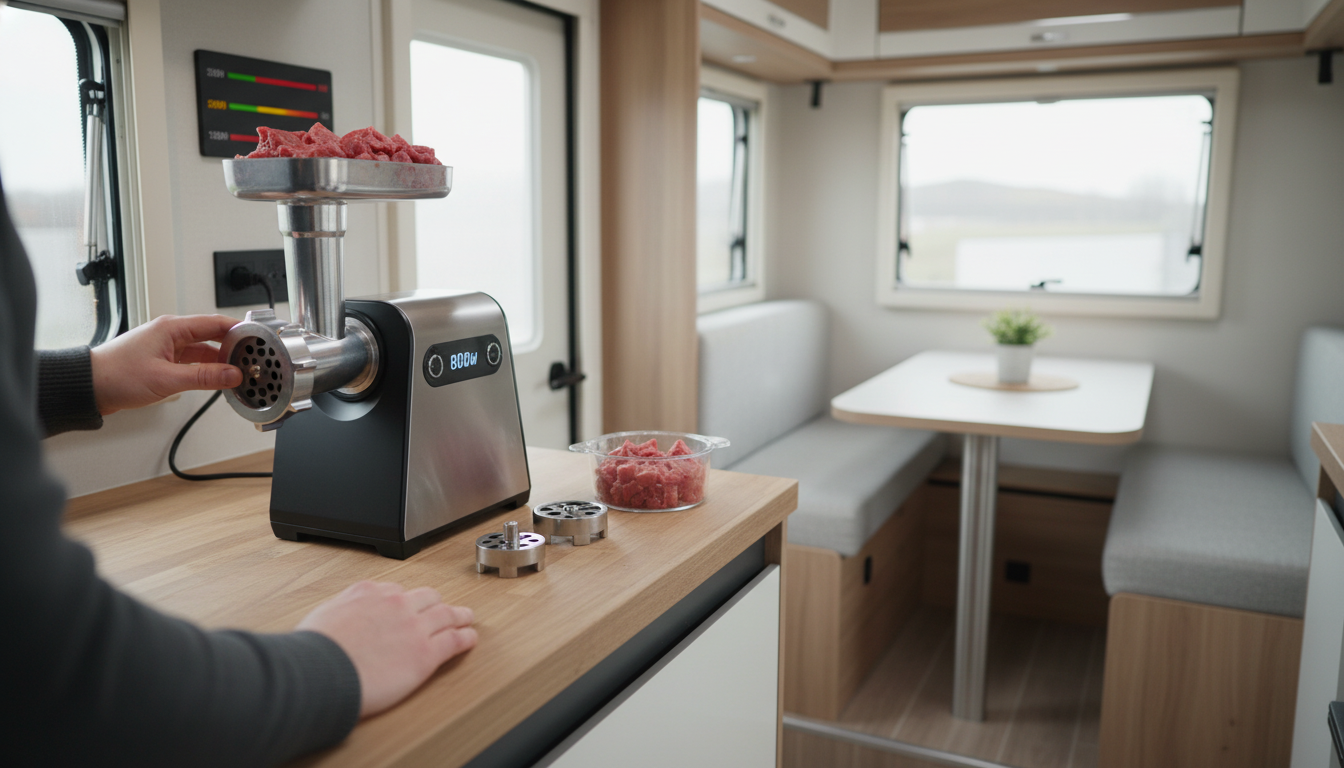
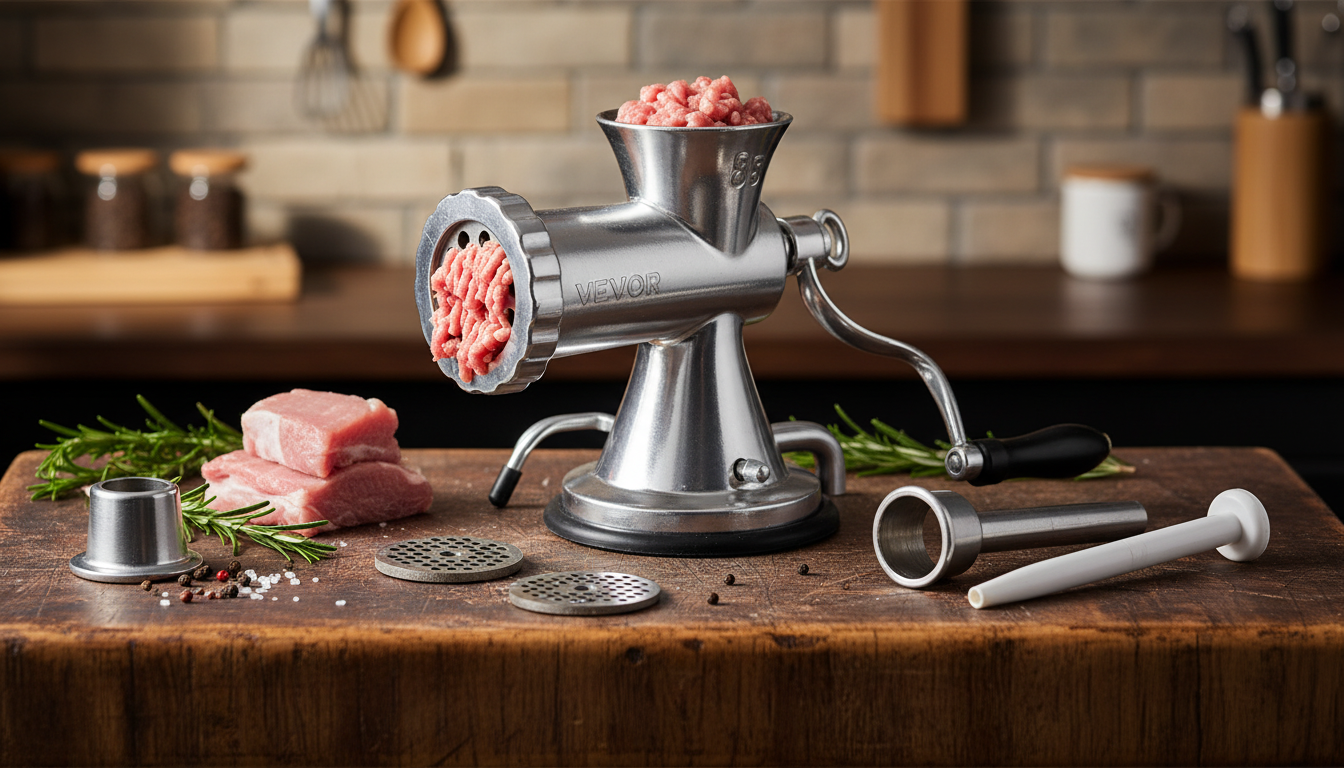
A meat grinder motor is typically designed to spin an auger fast enough to cut and move meat through a plate. A sausage stuffer motor is optimized for pushing force and steady pressure. That’s why a dedicated stuffer can feel “stronger” in use even if the motor’s headline power numbers look similar—its gearing is doing the heavy lifting.
Learn more details
For a deeper breakdown of the motor setup and what to expect from Cabela’s commercial stuffer designs, visit the full guide here: https://hottakesnest.shop/what-kind-of-motor-is-in-the-cabela-s-commercial-sausage-stuffer/.
FAQ
Is a gear-driven sausage stuffer better for high-volume batches?
Yes. Gear reduction helps maintain consistent pressure over long runs, which speeds up production while reducing air pockets and casing failures.







Leave a comment