AI Hair Analysis at Home: Find Type & Porosity Fast
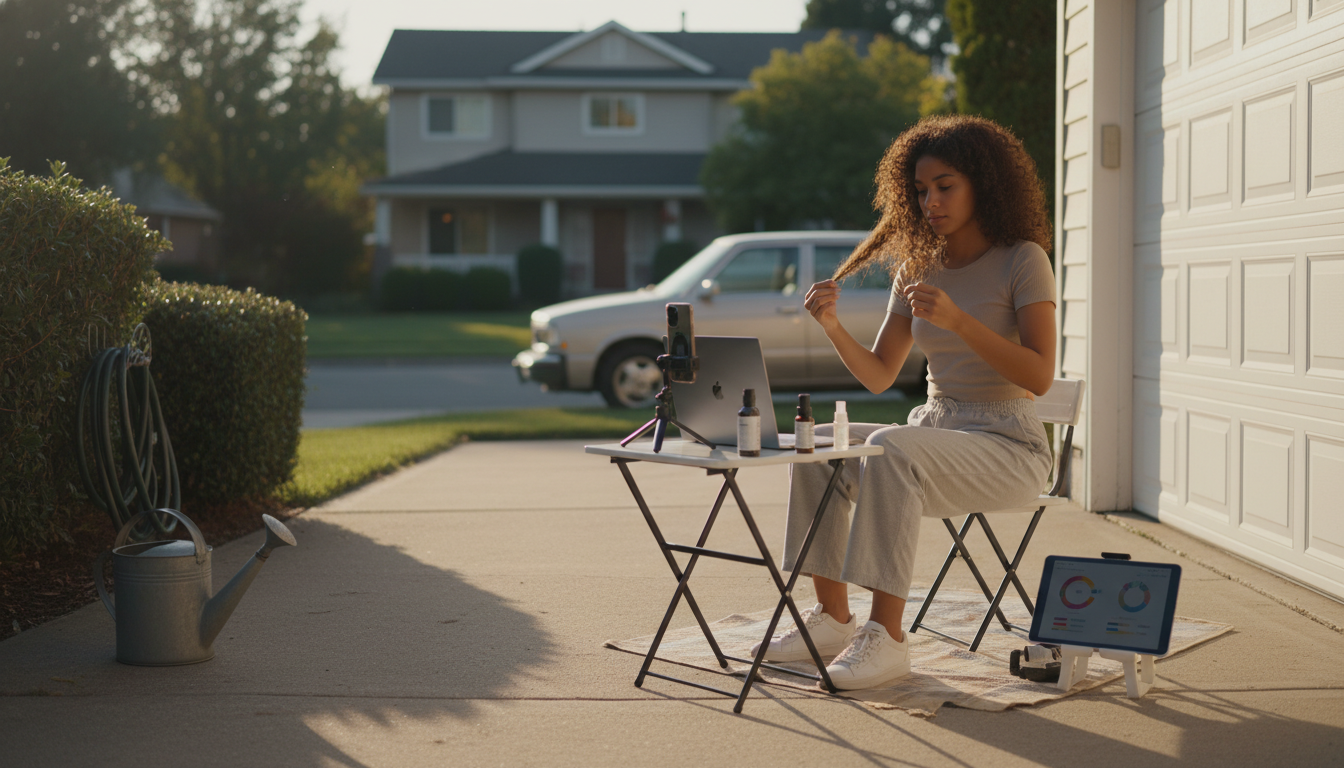
How do you use an AI hair analysis guide to identify your hair type and porosity at home?
An AI hair analysis guide can help you quickly narrow down your curl pattern, strand thickness, density, and porosity using a mix of photos and a short questionnaire. To get accurate results at home, focus on good lighting, clean product-free hair, and consistent angles—then confirm the AI’s suggestions with a couple of simple “reality checks.”
Step-by-step: Getting a reliable AI hair read at home
1) Prep your hair so the AI can “see” it
Start with freshly washed hair and skip heavy leave-ins, gels, or oils that can change how strands clump and reflect light. Let hair air-dry or diffuse on low heat. If you can’t start from wash day, at least brush out buildup and avoid slick styles that flatten your natural pattern.
2) Take clear photos (this matters more than people expect)
Use bright indirect daylight near a window. Take photos from the front, both sides, the back, and a close-up of a single section. Keep the camera at the same distance and avoid beauty filters. If your hair is long, include a shot that shows roots and ends—porosity can vary along the strand.
3) Answer the guide’s questions honestly
Most AI guides ask about how long your hair takes to get fully wet, how fast it dries, how it reacts to humidity, and how it behaves with protein or moisturizing products. These answers help the tool distinguish between similar-looking curl types and refine porosity estimates.
4) Confirm hair type with “behavior,” not just appearance
If the AI suggests a curl category, validate it by observing shrinkage, frizz pattern, and how your hair sets after drying. For example, waves often flatten at the roots, while tighter curls keep definition closer to the scalp when product-free.
5) Double-check porosity with two quick at-home tests
Try a spray test: mist a small section—if water beads up, porosity may be lower; if it absorbs quickly, it may be higher. Also note dry time: hair that takes a long time to dry often trends lower porosity, while very fast drying can indicate higher porosity (especially if it also tangles or feels rough).
6) Use the results to choose products and routines
Low porosity hair typically does well with lighter layers and occasional warmth to help products absorb. High porosity hair often benefits from richer conditioners, gentle cleansing, and techniques that reduce moisture loss.
For a deeper walkthrough and tips on interpreting your results, visit the main guide here.
FAQ
What’s the difference between hair density and strand thickness?
Density is how many hairs you have per square inch on your scalp, while strand thickness is the width of each individual hair. You can have fine strands with high density, or thick strands with low density.








Leave a comment