73-Piece Precision Screwdriver Set: Must-Have Bits
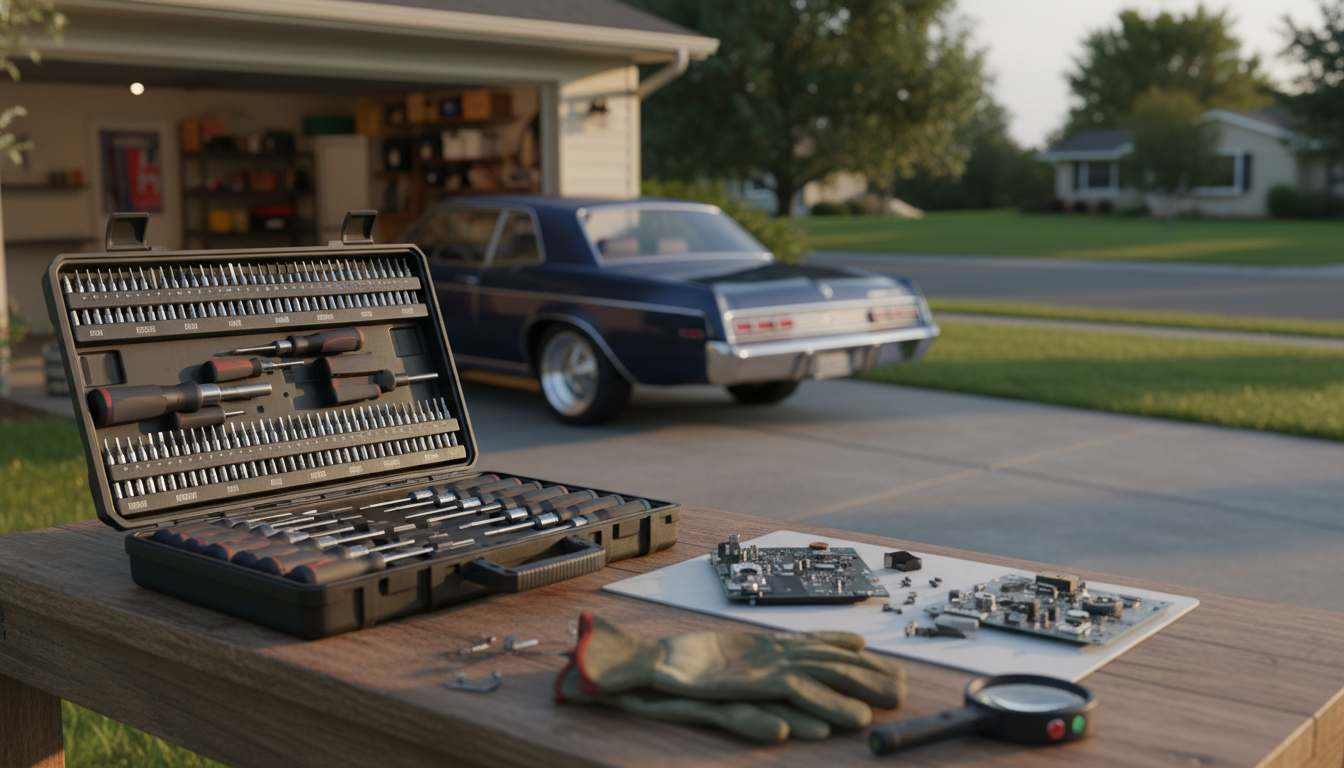
What should a 73-piece screwdriver and bit set include for electronics and small repairs?
A well-chosen 73-piece screwdriver and bit set for electronics and small repairs should cover tiny fasteners found in phones, laptops, game controllers, glasses, and household gadgets—while also giving you the control to avoid stripped screws. The best sets balance precision bits, a comfortable handle, and the small accessories that make delicate work safer and faster. For a deeper breakdown of what to look for, see the full guide here: https://hottakesnest.shop/what-should-a-piece-screwdriver-and-bit-set-include-for-electronics-and-repairs/.
Essential precision bit types
Start with the core profiles that show up most often in electronics: Phillips (including smaller sizes like PH000/PH00), slotted, and Torx (commonly T2–T10). A security Torx (TR) selection is important for tamper-resistant screws used on many devices. Hex bits (H1.5–H4) and tri-point/tri-wing styles are also common in consumer electronics and help cover brand-specific fasteners. If the set includes pentalobe sizes (often P2 and P5), that can be useful for certain smartphones and laptops.
Driver handle features that matter
The handle should be sized for fingertip control, with a grippy surface and a rotating cap for steady downward pressure. A magnetized bit holder helps prevent tiny screws from dropping into a device. For tighter spaces, an extension shaft is a big advantage, and a flexible extension can help reach awkward angles without forcing the fastener.
Helpful accessories for small repairs
Even if the set is “mostly bits,” the right extras make it truly repair-ready. Look for a small parts tray or magnetic mat (or at least a bit organizer that won’t spill), plus tweezers for handling screws and connectors. Some 73-piece kits also include a SIM eject pin, spudger, or pry tool—handy for opening electronics without damaging plastic clips. A compact case with labeled slots helps you return bits to the right place and quickly find what you need mid-repair.
Build quality and fit
Bits should be precisely machined so they seat fully in small screw heads. Hardened steel and a clean finish reduce cam-out and rounding, especially on soft or tiny screws. Clear size markings and consistent tolerances are just as important as having a long list of bit types.
FAQ
How do you keep from stripping tiny screws during electronics repairs?
Use the exact bit size that fully fills the screw head, apply firm downward pressure, and turn slowly. A rotating-cap precision handle and magnetized bits also help keep the driver aligned so it doesn’t slip.









Leave a comment