Choosing Materials for Abstract Boxer Figurine Sculptures

What materials are commonly used in abstract boxer figurine sculptures?
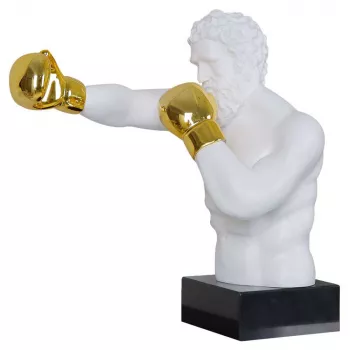
Abstract boxer figurine sculptures are made from a wide range of materials, and the best choice usually comes down to the look you want, where the piece will live, and how much weight and upkeep you’re comfortable with. From sleek modern metals to warm, hand-finished woods, each medium changes the sculpture’s mood—sharp and energetic, soft and organic, rugged and industrial, or refined and gallery-ready.
Metal (bronze, brass, steel, aluminum)
Metal is a favorite for boxing-themed forms because it naturally supports dynamic motion—raised guards, twisting torsos, and dramatic negative space. Bronze and brass offer a classic, collectible feel with rich patinas, while stainless steel and aluminum lean contemporary, reflecting light and emphasizing clean edges. Metal sculptures tend to be durable and substantial, making them ideal for statement shelves, desks, or entry consoles.
Resin and composite materials
Resin is widely used for abstract figurines thanks to its versatility. It can mimic stone, ceramic, or metal finishes while keeping the piece lighter and more affordable. Resin also allows for crisp detail and smooth, stylized contours—perfect for modern boxer silhouettes and geometric interpretations. Many resin pieces are hand-painted or coated for a matte, satin, or metallic look.
Ceramic and porcelain
Ceramic and porcelain bring a refined, artistic presence, especially when paired with glossy glazes or textured, matte finishes. These materials work well for simplified abstract forms and can highlight subtle curves and rhythm in the pose. They’re best placed where they won’t be bumped, as they can chip if handled roughly.
Wood (solid wood, carved, or laminated)
Wood adds warmth and natural grain patterns that make each figurine feel one-of-a-kind. Carved hardwoods can create a timeless, sculptural look, while laminated or mixed-wood builds can add bold contrast. Wood pieces are typically lighter than metal and pair well with minimalist or earthy interiors.
Stone and concrete
Stone, cast stone, and concrete deliver a grounded, architectural weight—great for bold, blocky abstract boxer designs. These materials often feature subtle texture and a tactile finish that feels artisanal. They’re sturdy but can be heavy, so stable placement matters.
For a deeper breakdown of finishes, durability, and display considerations, visit the main article.
FAQ
How do I care for and clean an abstract boxer figurine sculpture?
Dust regularly with a soft microfiber cloth; for metal, avoid harsh chemicals and use a gentle cleaner if needed. For resin, ceramic, or painted finishes, use a slightly damp cloth and dry immediately to prevent streaking or moisture spots.






Leave a comment