Sausage Stuffer Materials: Steel, Plastic, Seals
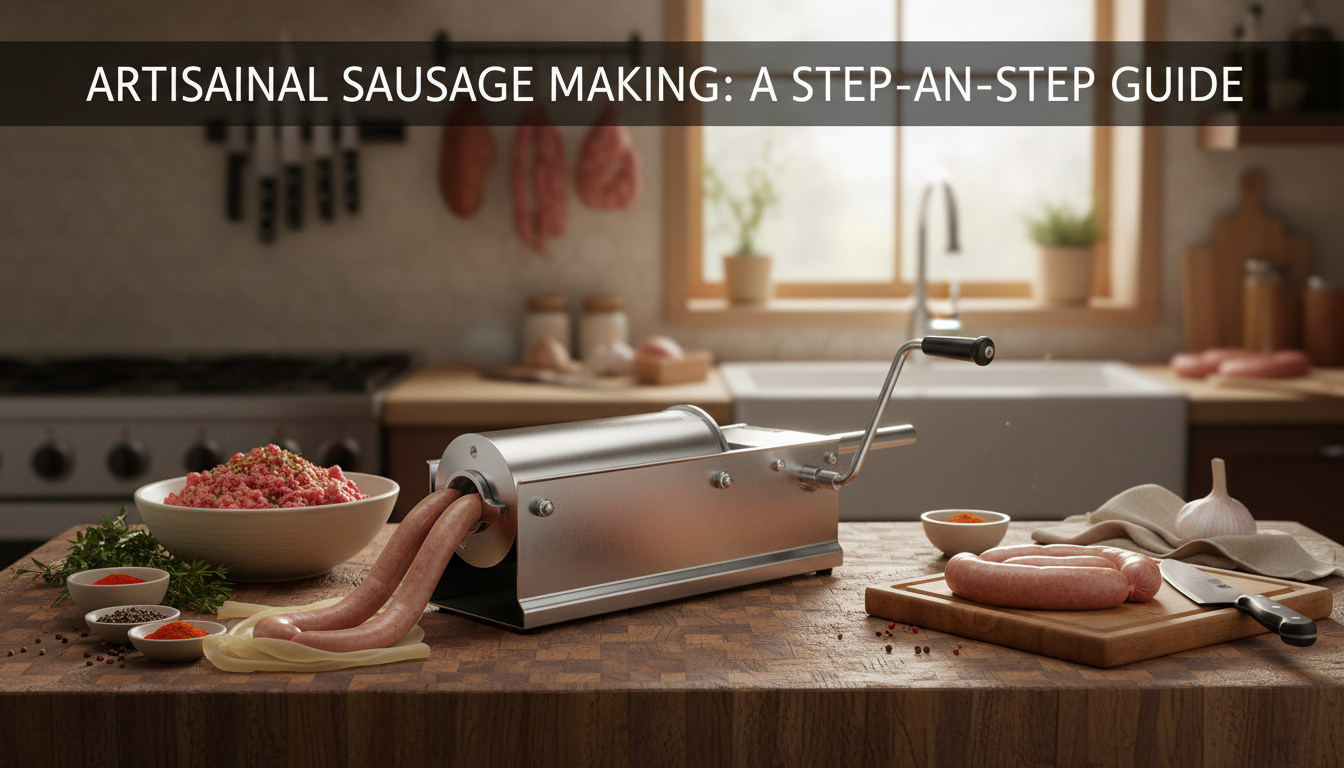
What are sausage stuffers made of?
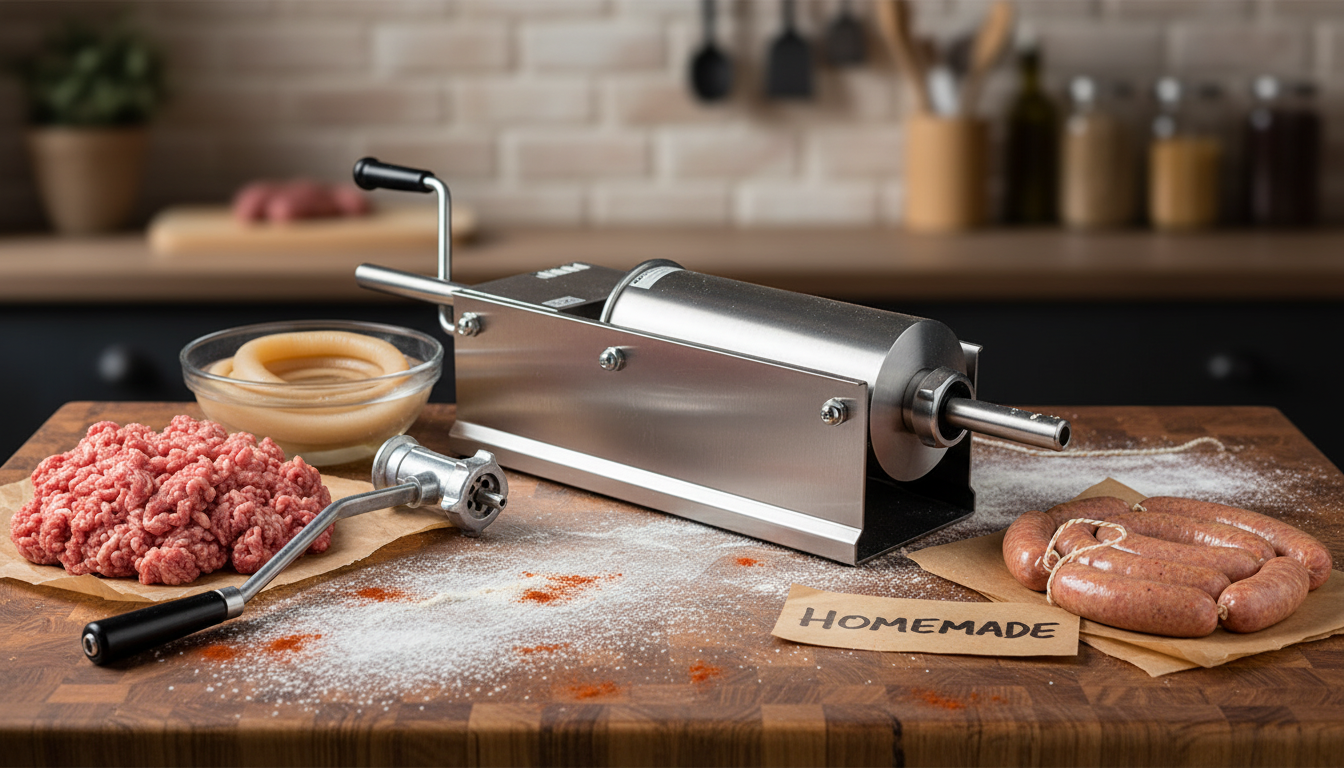
Sausage stuffers are typically made from durable, food-safe materials designed to handle pressure, frequent cleaning, and contact with raw meat. The most common construction is stainless steel for the main body and key food-contact parts, paired with sturdy plastics or coated metals for handles, gears, and knobs. Material choices affect durability, sanitation, corrosion resistance, and how easy the stuffer is to maintain over time.
Stainless steel (most common for the body and cylinder)
Many quality manual and electric sausage stuffers use stainless steel for the cylinder, frame, and removable canister. Stainless steel resists rust, holds up to repeated washing, and doesn’t absorb odors as easily as porous materials. It also tolerates cold meat mixtures and firm stuffing without flexing, which helps keep the stuffing process smooth and consistent.
Food-grade plastic (often for tubes and smaller parts)
Stuffing tubes (nozzles) may be stainless steel or food-grade plastic. Plastic tubes are lightweight and often included in multiple diameters, making them convenient for different casings. When properly made, food-grade plastic is safe for contact with meat, but it can scratch or stain more easily than metal, so gentle cleaning is important.
Aluminum and coated metals (common in budget models)
Some entry-level stuffers use aluminum or coated metal components, especially in the frame or non-food-contact areas. Aluminum is light and can be strong, but it may be less resistant to acidic marinades or harsh cleaners than stainless steel. Coated metals can work well, but any chipped coating can become a sanitation concern, so it’s worth inspecting these parts regularly.
Silicone, rubber, and other sealing materials
Many stuffers include silicone or rubber gaskets and O-rings to help the piston seal against the cylinder for steady pressure and less air in the sausage. These parts should be food-safe and easy to remove for cleaning. Over time, seals can wear out, but they’re often replaceable.
For more details on stuffer materials and what to look for when comparing models, visit the main guide on sausage stuffer construction.
FAQ
Is stainless steel better than plastic for sausage stuffer parts?
Stainless steel is typically more durable, scratch-resistant, and corrosion-resistant, especially for the cylinder and piston. Food-grade plastic can work well for tubes and accessories, but it may show wear sooner if scrubbed aggressively or exposed to high heat.








Leave a comment