Lube a Sausage Stuffer the Right Way (Food-Safe Tips)
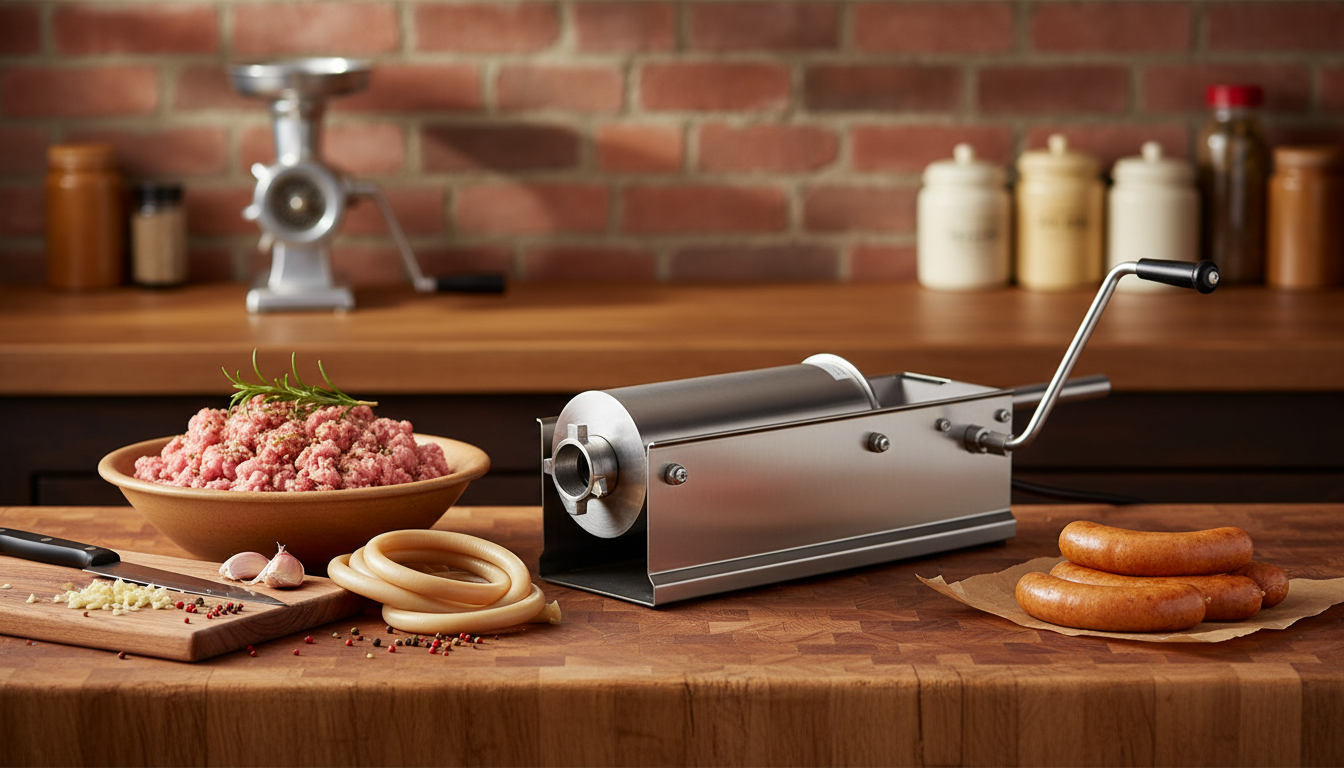
How to lube sausage stuffer?
Lubing a sausage stuffer is about reducing friction so meat flows smoothly, casings don’t snag, and parts don’t grind or wear out early. The goal is a thin, food-safe film on the right surfaces—never a greasy mess that ends up in the sausage.
1) Clean and dry the stuffer first
Disassemble the canister, piston, gasket, and stuffing tubes. Wash with hot, soapy water, rinse, and dry completely. Lubricant applied over moisture or residue can trap grime and make turning harder, not easier.
2) Use a food-grade lubricant in the right places
Pick a food-safe, non-toxic lubricant. Food-grade silicone grease is commonly used because it stays put and won’t go rancid. Apply a pea-sized amount and spread it into a very thin layer on:
- The piston gasket/O-ring (both sides if applicable)
- The inside wall of the canister where the gasket slides
- Metal-to-metal moving points like gears or shafts (if your model has them)
Avoid lubing the inside of the stuffing tube where meat contacts heavily—excess grease can migrate into the mixture.
3) Lightly wet the tube for casing glide (optional)
If casings drag on the horn, use water instead of grease. Dip your fingers in clean water and lightly wet the outside of the stuffing tube. Natural casings also benefit from being well-rinsed and soaked, which reduces sticking without adding oils.
4) Reassemble and test with an empty run
Reassemble the stuffer and crank/press the piston with the canister empty. It should move smoothly without squeaks or jerky resistance. If it feels gummy, wipe off excess and reapply a thinner layer.
5) Keep it safe and consistent
Never use automotive lubricants, WD-40, or cooking sprays on mechanical parts. Cooking oils can go rancid and attract dust; sprays can carry propellants and aren’t designed for gears or seals.
For model-specific tips and recommended lubricants, see the full guide: https://hottakesnest.shop/how-to-lube-sausage-stuffer/.
FAQ
What food-grade lubricant is best for a sausage stuffer gasket?
Food-grade silicone grease is a reliable choice for gaskets because it reduces friction, resists wash-off, and won’t turn rancid. Apply a very thin film and wipe away any excess before stuffing.










Leave a comment