Beat Decision Fatigue with Reusable AI Template Routines

Reusable AI Templates for Decision Ease, Focus, and Mental Clarity
Decision fatigue builds quietly: small choices stack up, attention thins, and priorities blur. A reusable template system turns repeated decisions into a simple routine—so energy is saved for work, relationships, and the choices that actually matter. This guide explains how to use an AI-assisted template library to reduce daily friction, improve follow-through, and create calmer, more consistent productivity.
Decision fatigue: what it looks like in real life
Decision fatigue doesn’t always feel dramatic. More often, it shows up as tiny stalls that quietly steal time and confidence.
- Common signs: procrastinating on simple tasks, overthinking low-stakes choices, impulse decisions late in the day, and difficulty starting.
- Why it happens: attention and self-control are finite; repeated evaluation, comparison, and uncertainty taxes the brain.
- Where it shows up most: planning meals, prioritizing tasks, replying to messages, scheduling, shopping, and deciding what to work on next.
- The hidden cost: more time spent choosing than doing, plus increased stress and lower confidence in decisions.
When stress rises, the body and brain often shift into shorter-term coping. The American Psychological Association describes how stress can affect the body and mental functioning, which helps explain why simple decisions can feel heavier during busy seasons.
How reusable templates reduce friction
Templates work because they replace “reinventing the wheel” with a dependable decision routine.
- They standardize recurring decisions: the same questions get asked in the same order, with the same output format each time.
- They shift effort from “figuring out how to decide” to “using a decision routine,” which is easier to repeat under pressure.
- They make trade-offs explicit: constraints, priorities, time available, and acceptable outcomes are defined upfront.
- They help avoid perfectionism by setting a “good enough” threshold and a clear stopping rule.
Decision types and template outcomes
| Decision situation | Template goal | Output to expect | When to use |
|---|---|---|---|
| Too many tasks, unsure where to start | Pick the next best action | Top 3 priorities + first step | Morning planning or after interruptions |
| Feeling scattered during deep work | Regain focus quickly | A short focus plan + distraction list | Before a work block or after context switching |
| Overthinking a choice with limited upside | Decide fast with guardrails | Recommendation + rationale + cutoff point | Purchases, scheduling, low-stakes decisions |
| Mental clutter and worry loops | Clear the mind and organize | Brain dump categorized into actions and notes | End of day or before rest |
A simple daily system: morning, midday, evening
The fastest way to feel results is to attach templates to times you already “check in” mentally. Keep it short, repeatable, and forgiving.
- Morning (5–10 minutes): run a daily priority template to select 1–3 must-do outcomes and define the first micro-step for each.
- Midday (2–5 minutes): run a reset template to review progress, handle new inputs, and decide what to drop or defer.
- Evening (5 minutes): run a shutdown template to capture loose ends, plan tomorrow lightly, and close open loops.
- Weekly (15–30 minutes): run a review template to identify what drained energy, what worked, and what should be automated or simplified.
Over time, this builds executive-function “muscle memory.” If you want a deeper overview of self-regulation and planning skills, the National Institutes of Health (NIH) provides research access and overviews that can be helpful for understanding why structure reduces mental load.
Using AI as a thinking partner (without giving up control)
AI works best when it’s treated like a structured assistant: it organizes, compares, summarizes, and suggests—while you keep authority over the decision.
- Feed clear constraints: available time, fixed commitments, deadlines, and what “done” looks like.
- Ask for options with trade-offs: request 2–3 approaches, each with pros/cons and effort level.
- Require a recommendation plus a stopping rule: a single best choice and a point where additional analysis is not worth it.
- Keep a “human override”: final decisions remain yours; AI helps structure and summarize.
For practical frameworks on prioritizing and making better trade-offs at work, Harvard Business Review’s decision-making collection is a strong reference point.
What’s inside the digital eBook template library
A well-built template library does more than list questions—it guides you toward decisions you can actually execute, even when energy is low.
For a ready-to-use library that supports this approach, explore Reusable Templates to Beat Decision Fatigue with AI | Digital eBook | Reusable Prompt Templates for Decision Fatigue | Productivity, Focus & Mental Clarity Guide.
Getting better results: setup tips and common mistakes
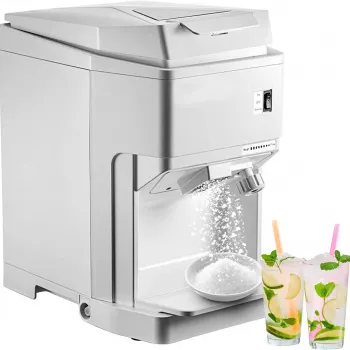
Small environment tweaks can reinforce the routine. A short walk break can make resets easier to follow through on, and comfortable everyday shoes help make that habit frictionless—see Diadora Men’s White and Black Sneakers or Diadora Women’s Blue Leather Sneakers. If your best “shutdown ritual” includes a quick treat that signals the day is done, an at-home option like the Electric Ice Shaver Machine 265 lbs/h Snow Cone Crusher for Home & Commercial Use can turn a break into a consistent end-of-day cue.
Who benefits most from a template-based decision routine
FAQ
How fast can decision fatigue improve with a reusable template routine?
Relief is often noticeable within a few days for repeat decisions (like daily priorities and quick replies). Bigger gains typically show up over 2–4 weeks as the routine becomes automatic and you stop renegotiating the same choices.
Does an AI-assisted template system work if motivation is low?
Yes, because templates reduce activation energy by defining the first micro-step and removing ambiguity. On low-energy days, use the shortest version and commit to just one priority plus a tiny next action.
What if the recommendations don’t match personal preferences?
Make preferences and constraints explicit (time limits, non-negotiables, values) so outputs align better. Keep a human override: treat recommendations as organized options, not final orders.















Leave a comment