Figurine Sculpture Sizing for Shelves, Desks & Mantels
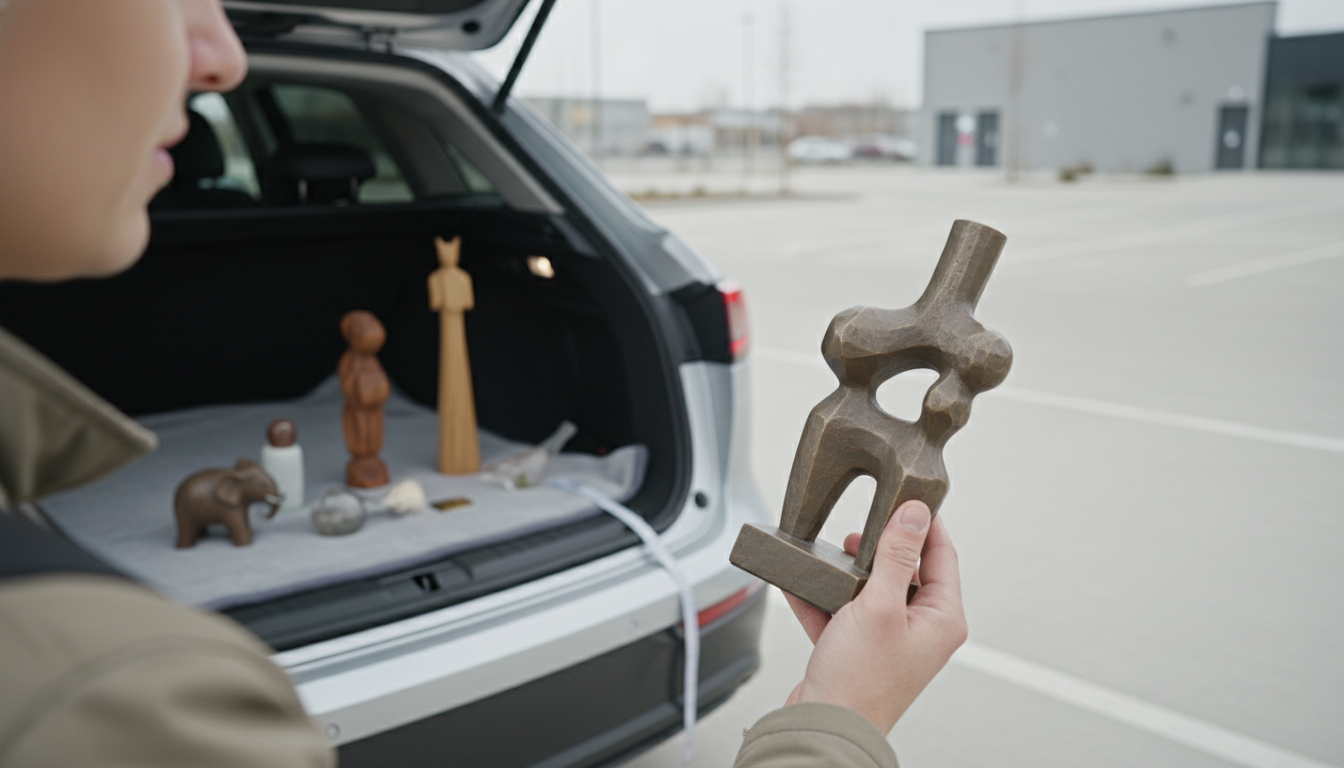
How do I choose the right size figurine sculpture for a shelf, desk, or mantel?
Start by measuring the spot where the figurine will live, then choose a piece that looks intentional rather than cramped or lost. The “right” size is less about a single number and more about proportion, breathing room, and how the sculpture relates to nearby objects.
Answer
1) Measure the available footprint and height
Use a tape measure to note the maximum width and depth on the surface, plus the clearance above it (especially under cabinets, shelves, or TVs). As a practical rule, leave at least 2–3 inches of open space around the figurine on all sides so it doesn’t feel crowded or risk getting bumped.
2) Match the scale to the surface type
On a desk, smaller pieces usually look best—think compact sculptures that don’t compete with monitors, lamps, or work tools. On a mantel, medium to taller figurines can work well because the vertical space helps them read as décor rather than clutter. For narrow shelves, prioritize slimmer silhouettes and avoid wide bases that eat up valuable space.
3) Use nearby items as a sizing reference
Compare the figurine to common objects already there: books, picture frames, vases, or a desk lamp. A sculpture that’s roughly similar in height to neighboring accents often feels balanced, while a piece that’s much shorter may disappear visually unless grouped with other items.
4) Plan for grouping (odd numbers work)
If you’re styling multiple items together, vary heights but keep the overall cluster contained. A simple approach is a “triangle” of heights (short/medium/tall) with the figurine as the focal point, ensuring nothing blocks it from the main viewing angle.
5) Consider material and visual weight
Glossy or brightly colored figurines feel bigger than matte, neutral ones at the same dimensions. Heavier-looking materials (like dark resin or metal) can dominate a small surface, while lighter colors and open shapes feel airier.
For more sizing tips and examples for different display areas, visit the full guide: https://hottakesnest.shop/how-do-i-choose-the-right-size-figurine-sculpture-for-a-shelf-desk-or-mantel/.
FAQ
How do I keep a figurine sculpture from looking cluttered on a small shelf?
Give it negative space and limit surrounding décor to one or two supporting pieces. Keeping similar finishes together and leaving a clear margin around the base helps the figurine read as a focal point instead of part of a pile.











Leave a comment