Ratchet vs Precision Screwdrivers: Key Differences
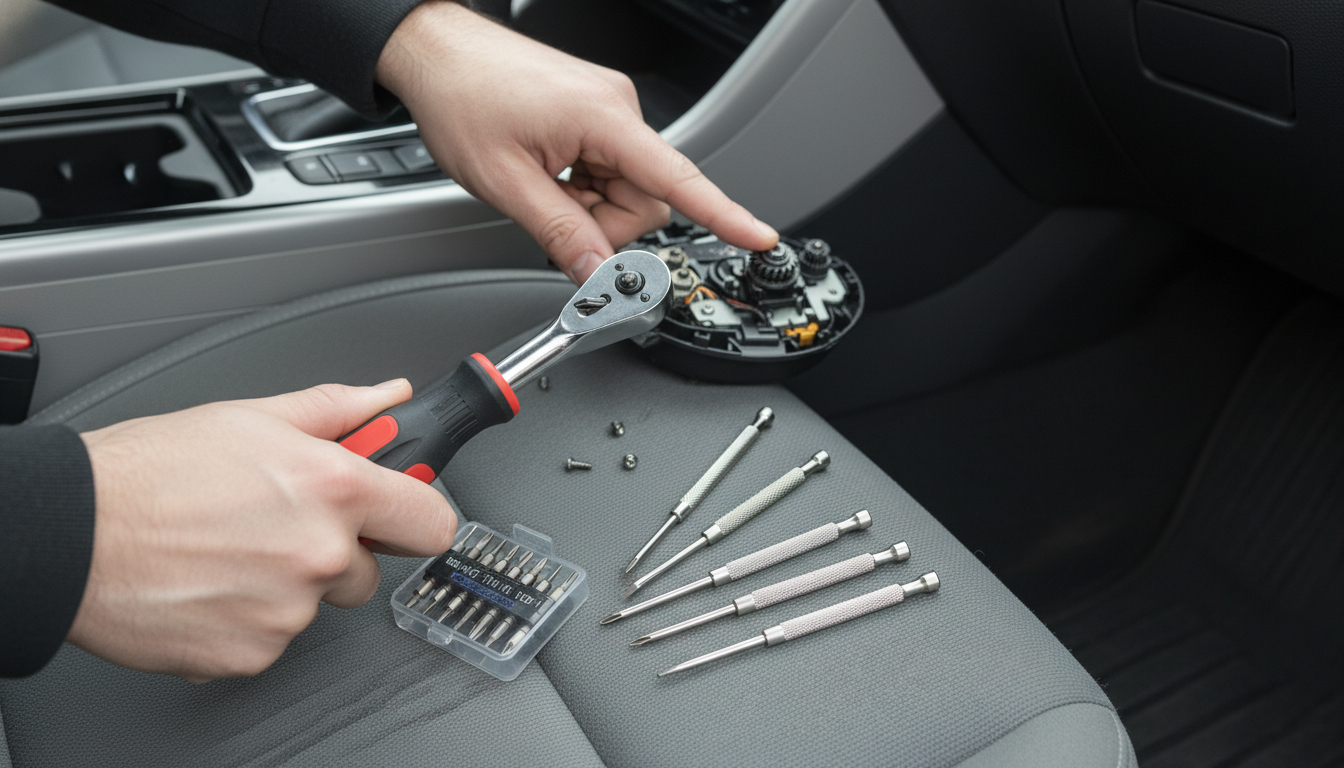
What is the difference between a ratchet screwdriver and a standard precision screwdriver?
A ratchet screwdriver and a standard precision screwdriver are designed for different kinds of work, even if they both drive screws. A ratchet screwdriver uses an internal ratcheting mechanism so you can keep turning a fastener without lifting and regripping the handle. A standard precision screwdriver is a simple, non-ratcheting tool built for delicate, small fasteners where fingertip control matters most.
Ratchet screwdriver: built for speed and reduced hand movement
A ratchet screwdriver has a gear-and-pawl mechanism that lets the shaft rotate in one direction while the handle moves back and forth. Most models include a direction switch (tighten/loosen) and a locked mode for traditional turning. This makes it ideal for repetitive assembly tasks—think furniture, cabinetry hardware, or any job with lots of medium-size screws.
Because you don’t have to reposition your hand every turn, ratcheting designs can reduce fatigue and help in tight spots where full rotations are awkward. They’re commonly used with interchangeable bits, giving you a broad range of drive types in one handle.
Standard precision screwdriver: built for control on tiny fasteners
A standard precision screwdriver is typically smaller, lighter, and non-ratcheting. The handle is shaped for fine control, and many include a rotating cap so you can stabilize the tool with one finger while turning with the other. This is especially useful for electronics, eyeglasses, watches, small appliances, and other tasks where screws are easy to strip or components are easy to damage.
Precision screwdrivers often have slimmer shafts and smaller tip sizes (like Phillips #00/#000 or small Torx), prioritizing accuracy over torque. If a screw requires significant force, a precision driver may be the wrong tool for the job.
Which one should you choose?
If the job is repetitive and uses common bit sizes, a ratchet screwdriver can be faster and more comfortable. If the job involves tiny screws and fragile parts, a standard precision screwdriver is safer and easier to control. For many toolkits, owning both covers nearly every scenario.
For a deeper comparison and practical use cases, visit the main guide: https://hottakesnest.shop/what-is-the-difference-between-a-ratchet-screwdriver-and-a-standard-precision-screwdriver/.
FAQ
When should you use a precision screwdriver set instead of a multi-bit driver?
Use a precision screwdriver set when working with very small fasteners or delicate devices where tip fit and gentle control are critical. Multi-bit drivers are convenient, but their bulk and bit tolerances can make tiny screws easier to strip.








Leave a comment